
Welcome to the Pearl of the Orient Seas
Philippines
Philippines DMC for Holiday Packages, Hotels, Tours and Transfers
The Philippines is one of the easiest Asia Pacific destinations to sell and one of the trickiest to operate. With 7,641 islands, world-famous beaches, coral reefs, vibrant cities and a culture shaped by Spanish, American and indigenous influences, there is no shortage of reasons to sell it. The challenge is making sure every transfer, ferry, flight and island connection works smoothly once your clients arrive.
That’s where a Philippines DMC with real local knowledge makes all the difference.
Vio Travel is Asia Pacific’s first online DMC, giving travel agents, tour operators and wholesalers one place to book Philippines holiday packages, hotels, tours, transfers and island-hopping experiences. Our products are sourced through directly contracted suppliers while our local in-market travel specialists bring the destination knowledge needed to build itineraries that work in the real world, not just on paper.
From the rice terraces of Banaue and the UNESCO-listed streets of Vigan to Palawan’s dramatic limestone islands, laid-back beach stays in El Nido and sunset escapes in Boracay, we help you create trips around the way your clients actually want to travel. Our local team knows which routes need more connection time, which beaches become crowded, which excursions are genuinely worth including and where a small itinerary change can make the whole trip run more smoothly.
With Vio Travel, you get the speed and convenience of an online booking platform together with the expertise and support of a Philippines DMC on the ground, helping you build better itineraries, respond faster to your clients and manage complex multi-stop trips with confidence.
Palawan & Boracay: Island Hopping and Beach Stays
Palawan is the postcard Philippines, with dramatic limestone cliffs, hidden lagoons and water so clear it barely looks real.
El Nido and Coron are made for island hopping, whether your clients want a full day exploring lagoons and beaches or a slower afternoon somewhere quieter. For a more social stay, Boracay’s White Beach delivers powder-soft sand by day and a lively dining and bar scene after dark.
As your DMC Philippines partner, Vio Travel takes care of the boats, hotels, transfers and local logistics that connect it all, helping travel agents and tour operators build smoother island itineraries without having to coordinate multiple suppliers themselves.
Philippines Tours: Whale Sharks, Rice Terraces & Diving
Some of the best experiences in the Philippines are the ones your clients won’t find in a resort brochure.
They can see whale sharks in Oslob, trek through the spectacular rice terraces around Banaue and Batad, or dive Tubbataha Reefs, a UNESCO World Heritage Site reached by liveaboard during its limited diving season.
Time their trip right and they can also experience a local fiesta, when whole towns come alive with food, music, colour and parades.
With Vio Travel as your Philippines DMC partner, your clients get more than the standard itinerary. They get the kind of experiences they’ll still be talking about when they get home.
Philippines Cultural Tours and Festivals
The Philippines is home to more than 170 languages, and that cultural diversity comes through in everything from regional food and festivals to music, crafts and everyday traditions.
Your clients can join colourful street celebrations, discover local dishes that change from island to island, and spend time in communities where local traditions are still very much part of daily life.
January is a lively time to visit, with festivals like Sinulog in Cebu City and Ati-Atihan in Kalibo filling the streets with parades, music, dance and crowds.
With Vio Travel as your Philippines DMC partner, you can give your clients a deeper feel for Filipino culture and the people and traditions that make each moment special.
Attractions Philippines
Breathtaking Bohol
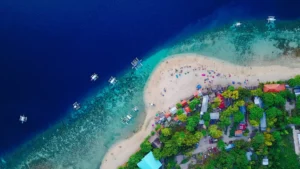
Bohol is a destination of natural wonders, from the iconic Chocolate Hills to the tiny, wide-eyed tarsier found only in this region. Swim in Alona’s clear waters, relax on the shores of Dumaluan and Anda, or escape to the quiet beauty of Momo and Libaong. With Vio Travel, discover how Bohol’s landscapes and laid-back rhythm come together for an unforgettable island escape.

Attractions Philippines
Embrace Ecotourism in the Philippines
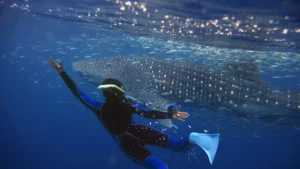
Discover the Philippines’ commitment to sustainability through ecotourism. Explore the rice terraces of Banaue, pristine Palawan beaches, and swim with whale sharks in Donsol. Hike stunning national parks and snorkel in Apo Island. With Vio Travel, experience the beauty of the Philippines responsibly and create lasting memories!
Attractions Philippines
Discover Cebu: The Queen City of the South
Cebu, the Queen City of the South, blends rich history and natural beauty. Explore Magellan’s Cross, Fort San Pedro, and local delicacies like lechon. Discover stunning waterfalls like Kawasan Falls and swim with whale sharks in Oslob. With Vio Travel, uncover the diverse experiences that make Cebu a must-visit in the Philippines!
Attractions Philippines
Must-Visit Attraction in Palawan
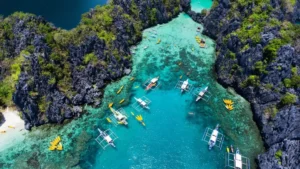
Palawan, the “Last Frontier,” is renowned for its stunning beauty. Begin your adventure in El Nido with its limestone cliffs and lagoons, explore the UNESCO-listed Puerto Princesa Subterranean River, and enjoy wreck diving in Coron. Relax in the serene coastlines of Honda Bay and Sabang Beach. With Vio Travel, immerse yourself in Palawan’s wonders.
Attractions Philippines
Boracay Bliss
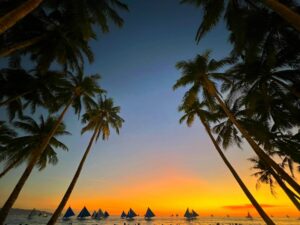
Vio Travel will elevate your Boracay getaway with personalised experiences! Enjoy sunrise yoga, thrilling water sports, and curated dining at top beachfront restaurants. As night falls, relax by a magical bonfire on the beach, complete with all the essentials. Celebrate your milestone in paradise with Vio Travel, creating unforgettable memories.
Attractions Philippines
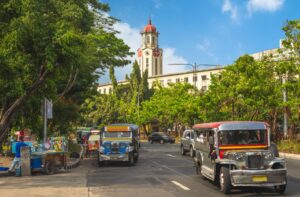
Discover the Vibrant Heart of Manila
Experience Manila’s dynamic spirit, where history meets modernity. Explore the historic Intramuros, visit world-class museums, and wander bustling markets for an authentic taste of Filipino life. Enjoy stunning sunsets along Manila Bay and the energy of Bonifacio Global City. With Vio Travel, uncover the best of Manila’s diverse attractions and warm hospitality.
Attractions Philippines
Siargao Serenity
Siargao, the surfing capital of the Philippines, offers more than just iconic waves. Explore the powerful Cloud 9 surf break, swim in the crystal-clear waters of Sugba Lagoon, and discover the hidden beauty of Sohoton Cove’s lagoons and caves. Stroll along General Luna Beach for stunning sunsets and indulge in local delicacies at vibrant markets and eateries. With Vio Travel, Siargao promises an unforgettable adventure of natural beauty and culture.

Uncover More Experiences Here ▼
Best Time to Visit the Philippines
The Philippines is a year-round destination, but timing makes a big difference to how smoothly a trip runs. The dry season generally runs from about November to May, and it’s the most reliable window for beach stays and island hopping. December to February brings cooler, more comfortable weather, while March to May is the hottest stretch of the year and peak time for Palawan and Boracay.
The rainy season usually runs from June to October, which is also when typhoons are most likely. Trips during these months can still work well, especially for value-focused clients, but we recommend building in some flexibility for boat transfers and domestic flights.
A few timing tips worth knowing:
- Whale sharks in Oslob: best sightings are usually between February and May
- Diving Tubbataha Reefs: liveaboard trips only run from mid-March to mid-June
- Festivals: January is big, with Sinulog in Cebu City and Ati-Atihan in Kalibo
- Eastern islands like Siargao: these follow a different pattern, with the heaviest rain often falling between November and January. However, the best time to surf in Siargao is between September until November.
As your Philippines DMC, we can help you match the right destinations to your clients’ travel dates.
Getting There and Around the Philippines
Most international travellers arrive in Manila or Cebu, with Clark as another option. From there, domestic flights and ferries connect the islands, and that’s where good planning really pays off.
Philippine Airlines and Cebu Pacific both run extensive domestic networks. Here’s how clients typically reach the most popular destinations:
- El Nido: fly direct from Clark, Cebu, or fly into Puerto Princesa and continue by road for around five to six hours.
- Coron: fly into Busuanga (Coron) Airport, then transfer by road to Coron town.
- Boracay: fly into Caticlan for the quickest connection, or Kalibo followed by a road transfer to Caticlan, then take a short boat ride across to the island.
- Bohol: fly into Bohol-Panglao International Airport, or take a fast ferry from Cebu City to Tagbilaran
Manila traffic can be heavy, so we recommend leaving generous time between airport transfers and domestic connections.
Vio Travel handles the transfers, ferries and local logistics that link it all together, so your clients move between islands without the stress. It’s one of the biggest reasons travel agents choose a Philippines DMC instead of booking each leg separately.
Frequently Asked Questions
1. What is a DMC in the Philippines?
A DMC, or destination management company, is a local partner that handles ground arrangements for travel agents and tour operators. A Philippines DMC like Vio Travel books the hotels, tours, transfers and activities your clients need, using suppliers on the ground who know the islands well.
2. Why should travel agents use a Philippines DMC?
With 7,641 islands, the Philippines involves a lot of moving parts, from domestic flights to boat transfers between islands. A Philippines DMC brings all of that together, so you’re not chasing separate suppliers on each island and your clients’ trip runs smoothly from arrival to departure.
3. What can I book with Vio Travel in the Philippines?
Travel agents, tour operators and wholesalers can book Philippines holiday packages, hotels, tours, activities and transfers with Vio Travel, all in one place online and backed by suppliers we contract directly.
4. How do I register with Vio Travel as a Philippines DMC partner?
Sign up here to set up your trade account. Once you’re registered, you can start creating instant itineraries and booking Philippines products for your clients online within minutes.
5. Does Vio Travel cover other destinations besides the Philippines?
Yes. Vio Travel is Asia Pacific’s first online DMC and covers 15+ destinations across the region, so you can combine the Philippines with other countries and book everything with one trusted partner.
6. When is the best time to send clients to the Philippines?
The dry season generally runs from about November to May, with March to May the hottest months. The rainy season usually runs from June to October, when typhoons are also more likely, so build some flexibility into island-hopping trips during those months.
7. Which airports do most international visitors fly into?
Most international travellers arrive in Manila or Cebu, with Clark as another option. From there, domestic flights and ferries connect to destinations like Palawan, Boracay and Bohol.
8. How do clients get to El Nido?
Clients can fly direct to El Nido from Clark, Cebu, Bohol, Boracay or Coron. Alternatively, they can fly into Puerto Princesa and continue by road, which takes around five to six hours.
9. How do clients get to Boracay?
Clients can fly into Caticlan for the quickest connection, followed by a short transfer to the jetty and boat ride across to Boracay. They can also fly into Kalibo, followed by a road transfer to Caticlan and a short boat ride to the island.
10. When is the best time to see whale sharks or dive Tubbataha?
Whale shark sightings in Oslob are usually best between February and May. Tubbataha Reefs, a UNESCO World Heritage site, is only open to liveaboard dive trips between mid-March and mid-June.
11. What currency and languages are used in the Philippines?
The currency is the Philippine peso (PHP). Filipino and English are both official languages, and English is widely spoken across hotels, tours and tourist areas.